Product Design - SENSE
Making online shopping a social experience through product design

A client approached me with an idea for a browser extension that would enable online shoppers to fill an aggregated shopping cart with outfits across different merchants. The goal was to enable shoppers to share with their friends and get opinions before purchase, just as one does when out shopping at brick and mortar locations with friends.
How DO you make shopping online feel like shopping with friends?
Online shopping is, by default, a more solitary activity limited by the functionality of merchant sites and their built-in capabilities. Most other extensions to aid the shopping experience were focused on monitoring price and looking for deals rather than facilitating the enjoyable social experience of going out shopping. In order to share an outfit or purchase potential with friends, a shopper has to share multiple links over text or chat, forcing the friends in question to go to multiple websites just to get a sense of what they’re looking at. We thought we could make the sharing experience and the purchase to follow much smoother for all involved.
Creating the shopper persona: a millennial, of course.
We zeroed in primarily on millennial women for the target audience of this extension; they would have the right intersectionality of tech-savviness with the desire for a social experience as part of the shopping process. I constructed provisional personas based on the small amount of data the client gave me from surveys and contextual inquiry they did with people in their social circles, with the intention to validate it via testing a little later.
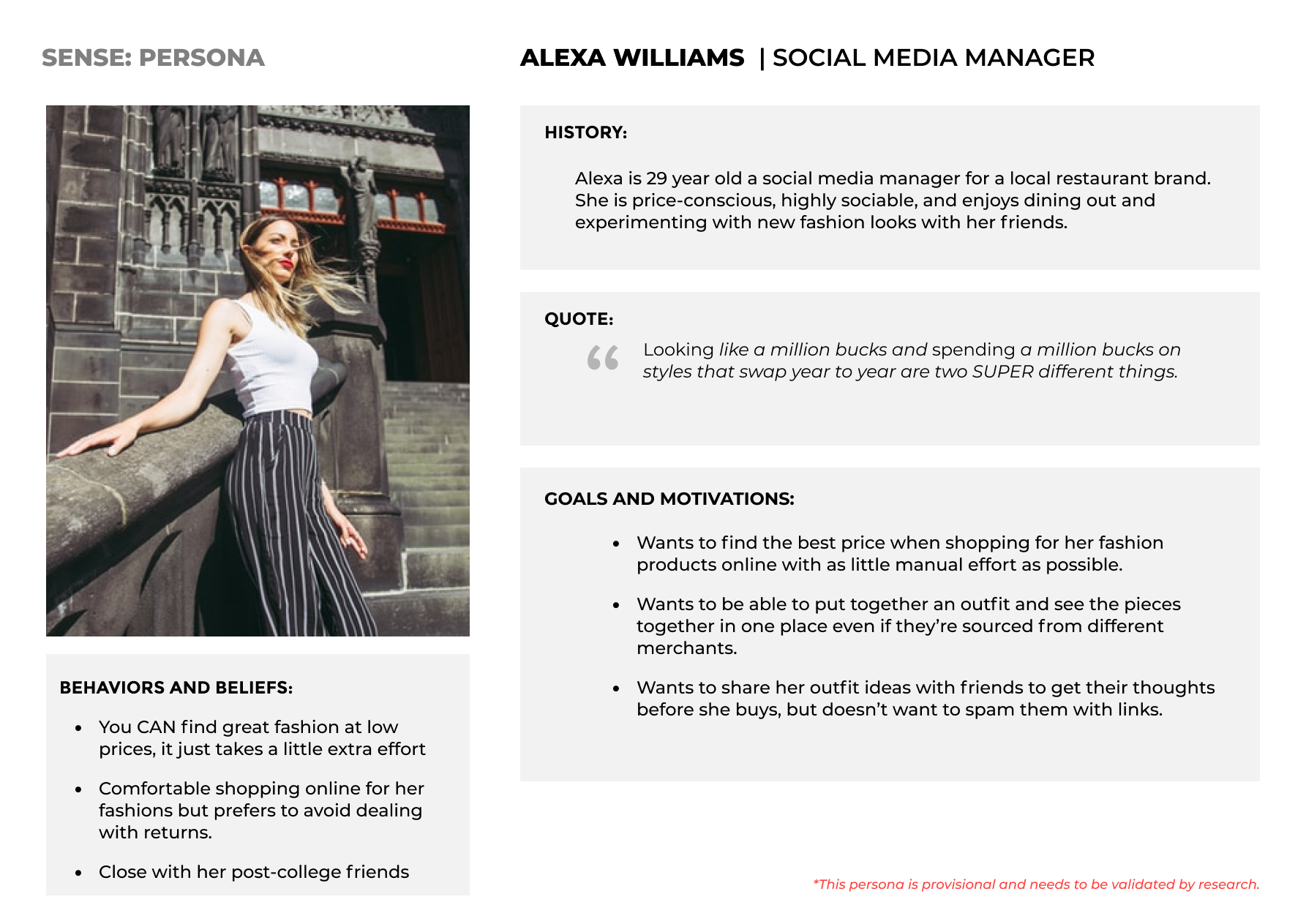
Based on the data I was provided, I created 29-year-old Alexa Williams, a social media manager who likes to experiment with her style but doesn’t want to spend a lot of money in the process. Her goals were simple:
Find the best price possible without manual effort
Easily put together an outfit and see it in one place no matter the source
Get her friends’ opinions on the outfits before she buys without link-spamming them
Product Manager and Lead UX Designer: a dynamic duo
The extension was built in cooperation with the client, a product director. They maintained the product vision and requirements and secured a developer to build the product once the design was complete. I served as design lead, creating user flows, wireframe prototypes, and the final UI design prepared for developer handoff.
The client and I collaborated closely on the project throughout the process; we met regularly over Zoom to discuss progress, adjustments to the vision based on feedback. I used Figma to build the wireframe and prototypes, and we would collaborate asynchronously between meetings by leaving notes within the design files.
Since this was a personal side venture, the client had a limited budget to work with between me and the developer he hired. I had to take care to guard against scope creep during the process, occasionally warning them away from adding too many features to the launch version of the product before we had a chance to test it.
Onboarding user flow for the extension
From persona to prototype
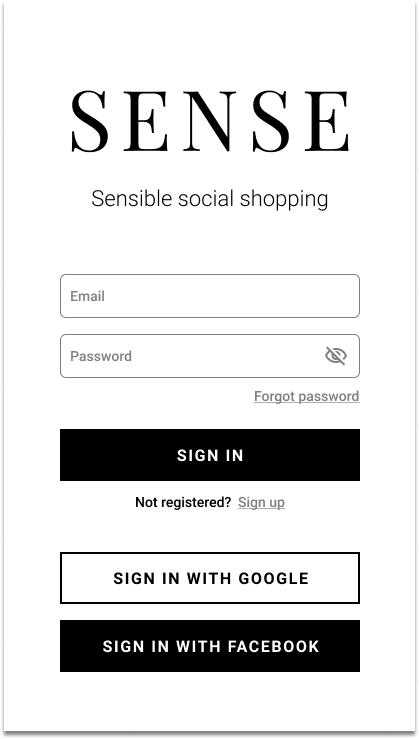
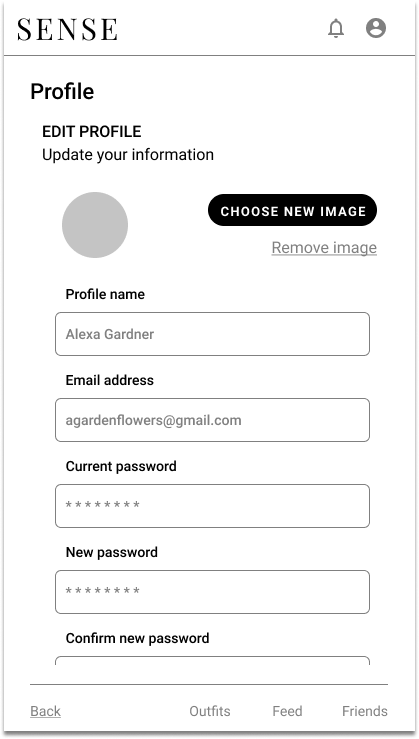
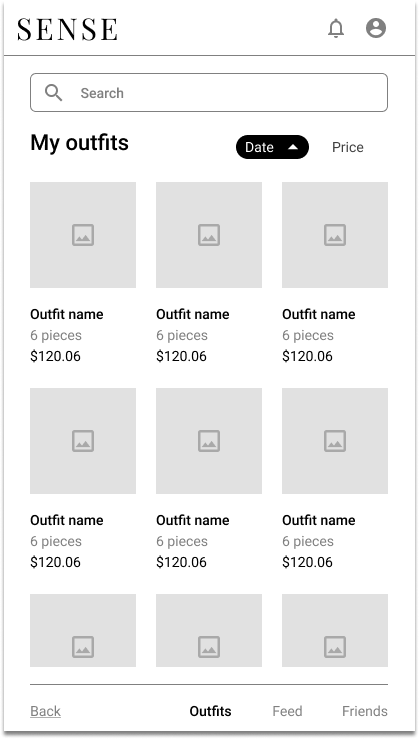
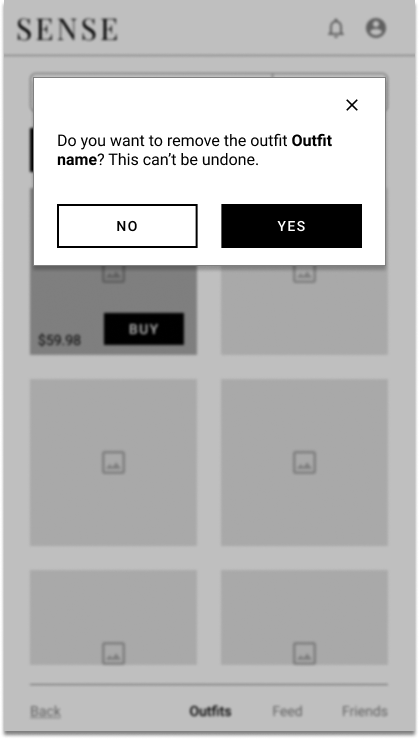
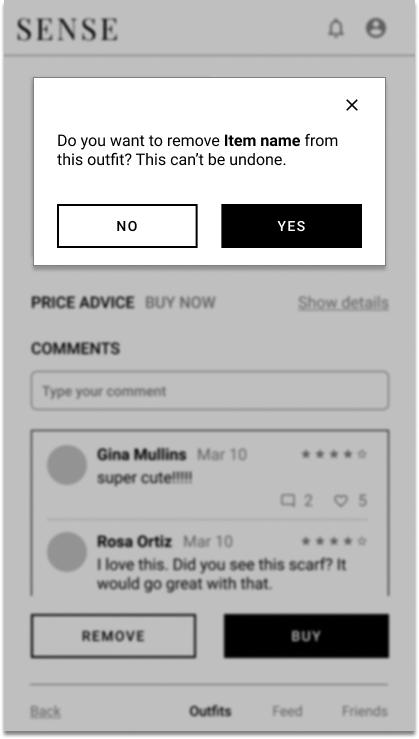
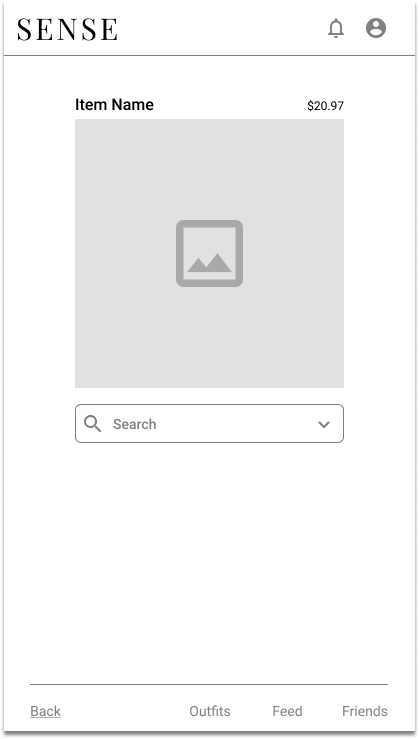
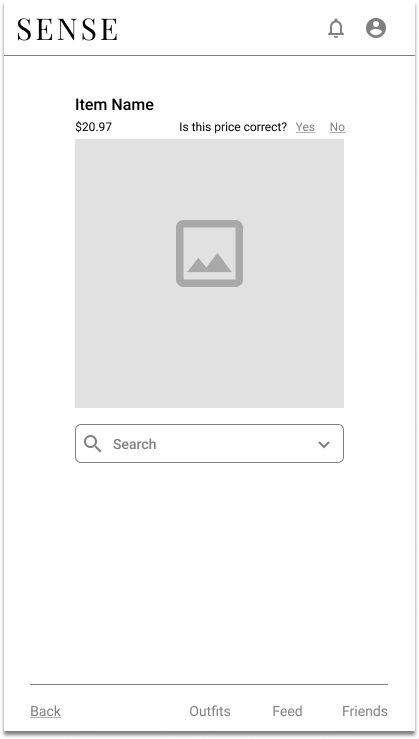
I began by crafting a provisional persona to ensure I had the right impression of who the client wanted to build this product for, and validated it with them. Once we agreed on our user goals, I set about envisioning the first part of the product in user flow form: the onboarding and setup process. From there, we went a section at a time; I would flow out and then wireframe the screens for the different tasks on the app that aligned to Alexa’s goals of price-hunting, outfit-building, and outfit-sharing.





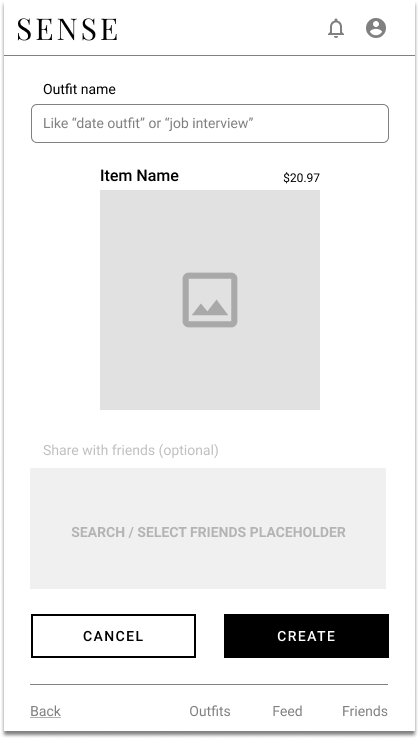

A little of that creepy, creepy scope creep: video chat in a shopping app?
Partway through the project, the client wanted to add video chat capabilities into the extension because COVID was just beginning and people were having to isolate themselves. I believed this would add a significant change to what we had originally envisioned in the app, as we were treading into the territory of making it lean more into the territory of a chat client than a shopping app. While it wasn’t a complete pivot from the original goals, it was a significant enough shift in focus that I didn’t feel confident we had enough data or budget to support it, so I pushed back. I noted that most users already have their chosen video calling apps that they would be unlikely to abandon, and I questioned the value of adding another video calling app to their options when it wasn’t our core product promise.
I ran a short online survey to get some user data as to whether potential users would want the video chat option, but I ultimately couldn’t convince them to abandon the idea for the launch version. We did agree to keep it small in scale for the time being: a simple video button that would allow them to start up a call with whomever they were in their message history with.
Giving it that sparkling UI finish
Once we agreed the low-fidelity prototype fit the experience we were looking for, I began to transform the screens into high-fidelity design mockups. I did a micro-scale branding exercise, building a small set of style sheets to determine font styles, color palette, and the core UI elements the extension needed to function. This would later be provided along with the file as a point of reference for the developer when they went to build it.


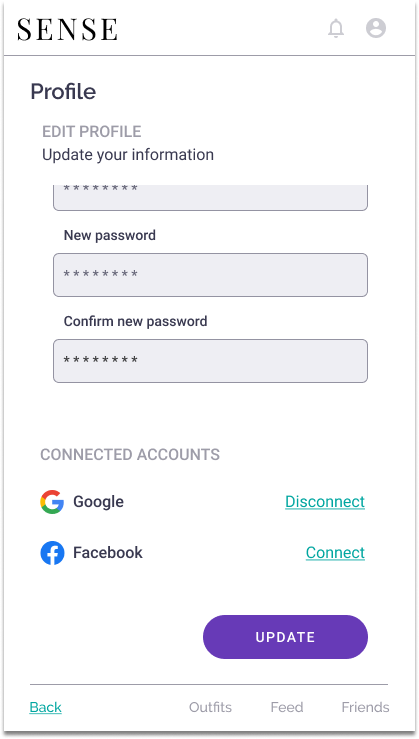


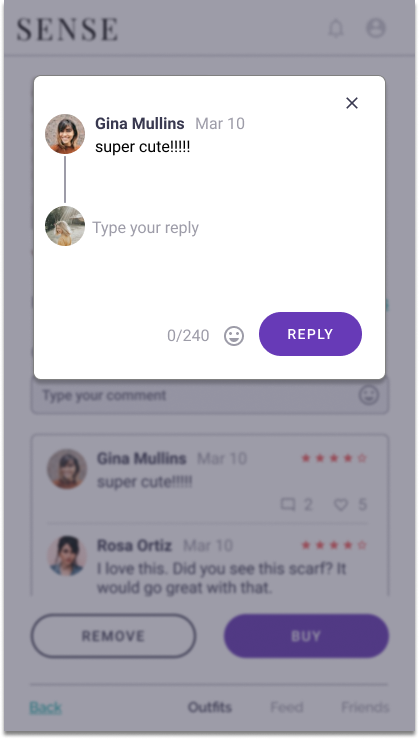


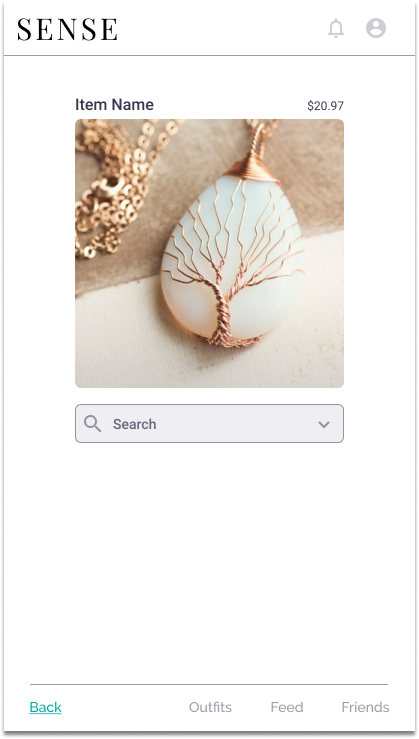
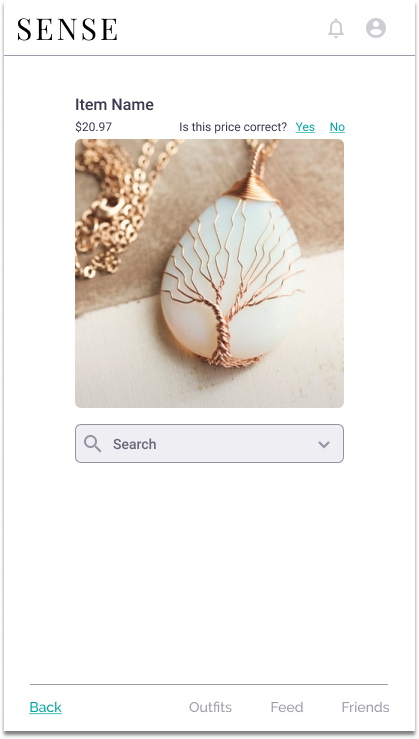
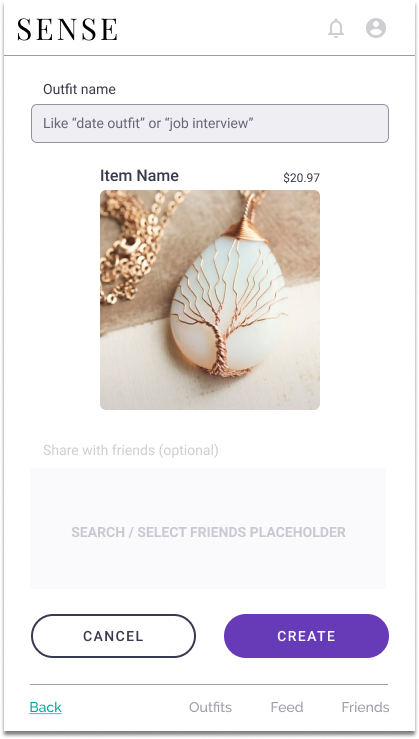
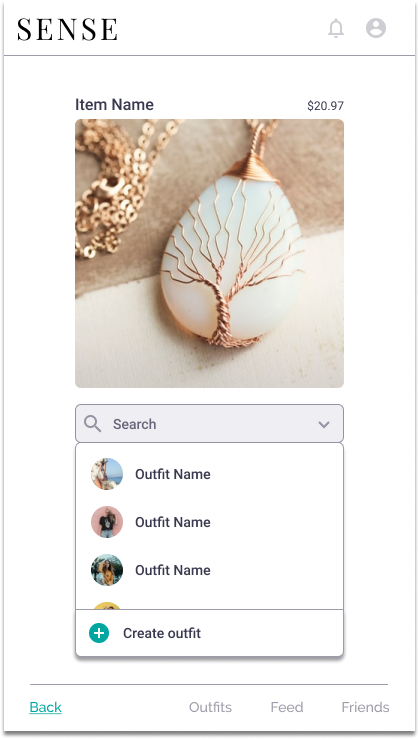
The client took over when it came to working with the developer, though I made myself available as needed for questions or further discussion. I checked in a few weeks later and they were in beta.
Follow up a year later: a tool for shopping together during COVID
Although I had moved on due to schedule constraints, it appears testing pushed the client in the direction of building the concept out into an app rather than an extension. I’m happy to report that my designs appear to remain intact. You can find more about the current version here on their site joinsense.io.
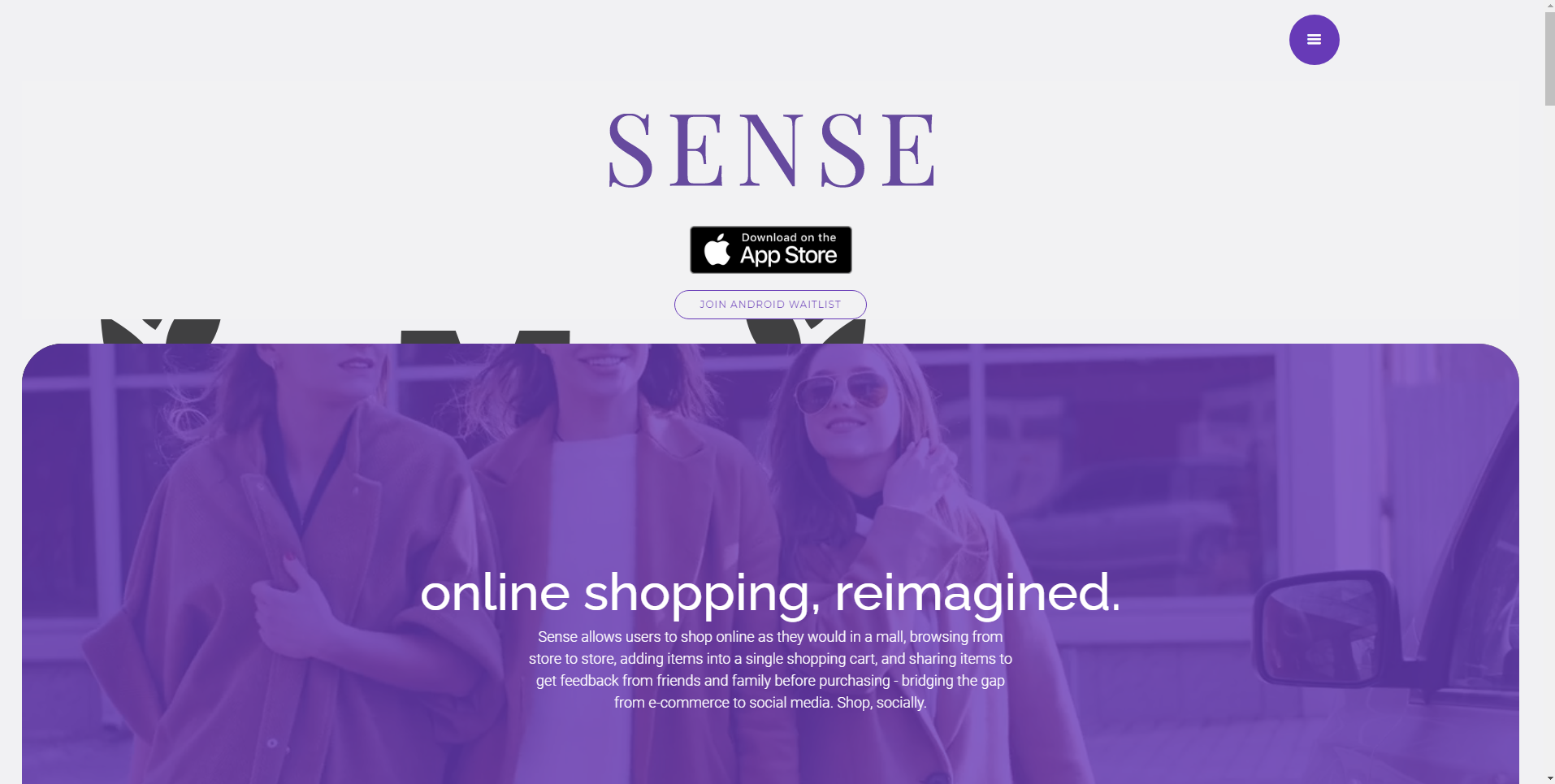
Website for the Sense app, at joinsense.io
Commentary from reviewers on the App Store version appears to be positive overall, with the app holding a 4.9 out of 5. Given the app landed right as COVID was forcing people out of physical contact, this product turned out to be a really lovely way to let shoppers still feel connected to their friends.
One reviewer had the following to say:
“I’ve been looking for an app like this forever. It’s made getting feedback on my clothing choices from friends a breeze. I do nearly all of my shopping online, and even more so now with COVID. Using Sense has made it incredibly easy for me to connect with my friends. My friend circle has started referring to it as “heading to the mall” :)”
Ironically, we started the project well before COVID hit, but I’m honestly thrilled to see feedback like this from users. It’s been a tough year for us all, and if the work the client, developer, and I put into this app has helped people still feel connected, then I’m going to consider it a job well done.